How to Match a Manicure to an Event Outfit Without Matching Everything
Coordinating a manicure does not require every accessory to share one color. Decide which outfit element leads, then let the nails support it or create one clear accent. This practical approach works with patterned dresses, tailoring and mixed jewelry.
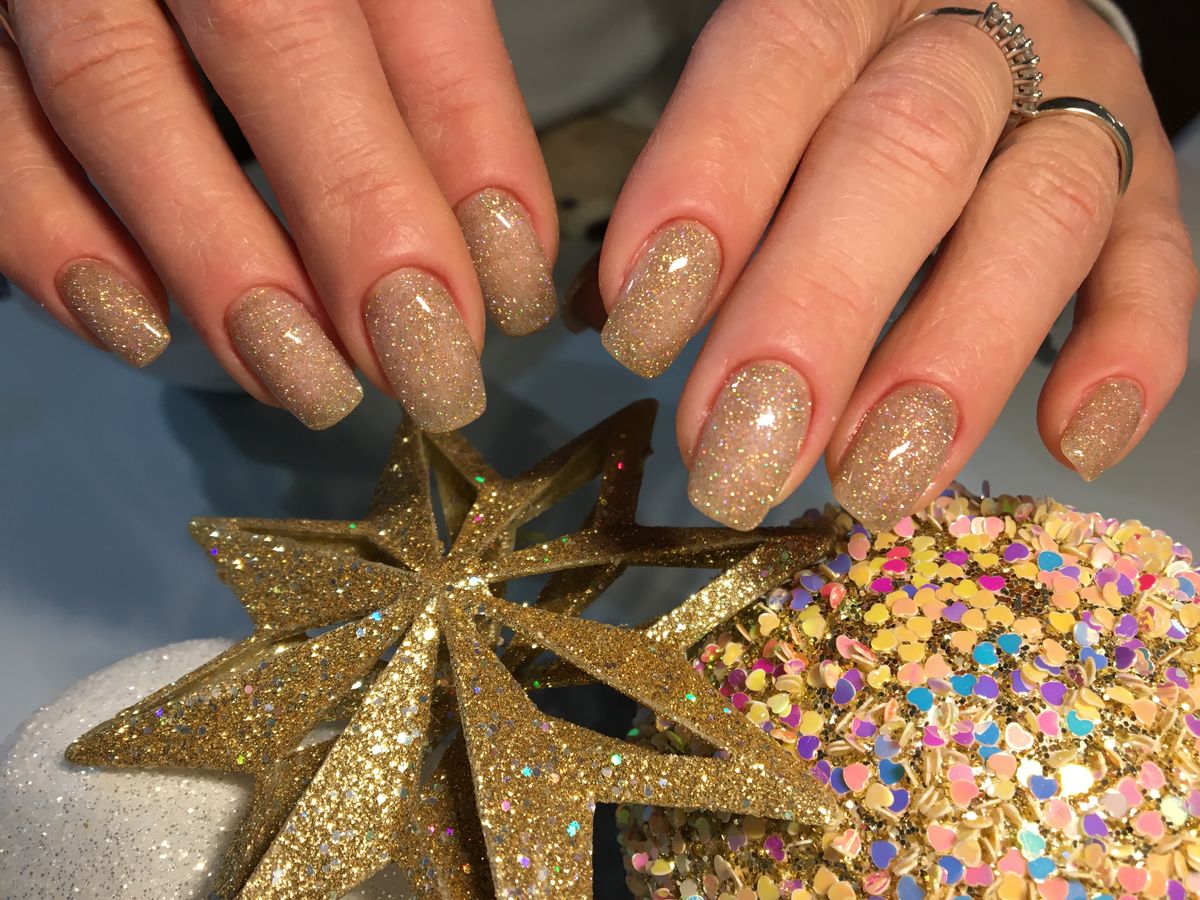
Photo: Pexels · License. Illustrative stock photography; pictured people, products and settings are not claimed to demonstrate this exact guide or endorse this publication.
Name the focal point
A bright bag, patterned dress or statement necklace already provides emphasis. Decide whether nails add another accent or connect the existing pieces. Compare a supporting color drawn from the outfit with a deliberately contrasting accent.
Repeat one color
A minor shade from a print can provide a clear link. Reproducing every color may crowd a small nail surface. Include the bag, shoes and jewelry instead of using the dress alone.
Compare actual jewelry
Hold the sample beside the metal you plan to wear. Mixed metals can be intentional; the useful question is the complete combination. Use a visible checkpoint: you can identify which outfit element the manicure supports
Assess the finish
Gloss, matte and reflective decoration differ even within one color. Compare surface shine alongside the fabric texture. Priority: the outfit focal point.
Use a floral example
A green dress with pink flowers can pair with quiet pink nails, deep green or a neutral. Each creates a different relationship. Consider this specific example: a floral dress already supplies three colors, so repeating one small rose detail connects the manicure without reproducing the whole print.
Reduce competing statements
Remove one accent from the comparison at a time. A metallic nail may be the source of competition rather than the dress color. If several shiny details compete, first check whether color, shine or the number of accents creates the conflict. Then compare a plainer finish or remove one accent.
Look at the whole hand
Rings, cuffs and bracelets share space with the manicure. Evaluate them together instead of judging a sample on bare skin only. The practical tradeoff is a neutral is versatile while a specific accent gives stronger outfit coordination.
Save an outfit formula
Write the lead color, support color and accent. That formula can guide a later outfit without repeating the exact garments. Before finishing, look at the completed hand beside the sleeve and bag Record the one detail that would be useful next time: the lead color, support color and accent.
Choose one of three clear color relationships
Build three small comparisons using the same outfit. The first echoes a color already present, such as a muted rose from a floral print. The second uses a quiet neutral so the garment or jewelry leads. The third introduces one deliberate contrast. Compare these without changing the bag and shoes at the same time. This isolates the manicure role and makes the decision easier to understand. Look at the hand beside the sleeve and while holding the actual clutch, because those are the neighboring colors likely to appear together.
If the combination feels crowded, identify whether color, shine or decoration is responsible. A plain glossy tip and a metallic decorated tip in a similar shade can create very different levels of emphasis. Remove one visual statement, then reassess the full outfit at ordinary viewing distance. Do not assume every mixed-metal or mixed-color combination is a mistake; the question is whether the relationship looks intentional to you. Save the useful formula in ordinary words, such as green print leads, muted pink supports, silver jewelry accents. That record is easier to adapt to another event than a rigid requirement that nails must match shoes, a bag and earrings simultaneously. Compare the arrangement with the coat or jacket you will wear on arrival as well as the dress beneath it. You may spend much of the event holding a dark bag against a light sleeve, so that immediate color relationship can matter more than a shoe shade rarely seen beside the hands.
Your working checklist
Checkmarks stay in this browser when storage is available. They do not submit information or complete a purchase.
Put it into practice
- Lay out the complete outfit and accessories.
- Choose blend, echo or contrast as the nail role.
- Compare two supporting shades and one neutral.
- Check surface finish beside the fabric.
- Inspect rings, cuffs and nails together.
- Save the chosen color relationship.
Before you finish
- One element leads.
- The manicure has a deliberate role.
- Finish was compared with fabric.
- The whole hand was assessed.
Common questions
Must nails match shoes?
No. The manicure can echo a dress detail, support jewelry or stay neutral. One clear relationship is enough.
Can black nails work with a colorful dress?
Yes, when you like the contrast and it suits the occasion. Compare the actual finish with the complete accessories.
What if jewelry mixes metals?
A quiet manicure can let the metals lead, or one repeated accent can connect them. There is no need to enforce one metal everywhere.
Do I need a new set for every outfit?
Not necessarily. A fitted neutral or versatile muted shade can work with several combinations and reduce separate event purchases.