French Tips on Short Nails: Choose the Line, Base and Shape
A French design depends on the painted band, visible base and actual nail length together. A design photographed on long extensions can feel different on short tips. Evaluate the real short version before deciding that more length is necessary.
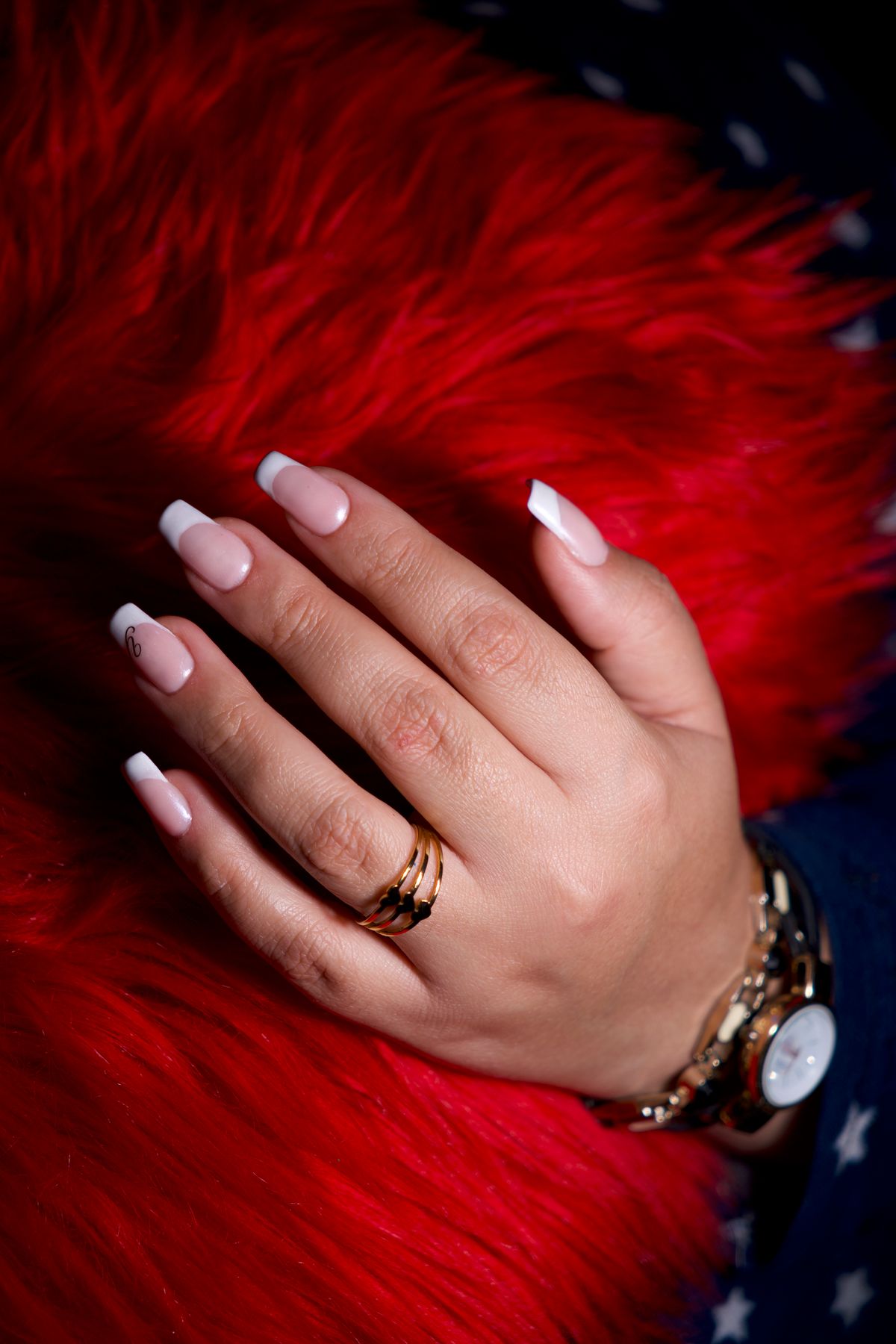
Photo: Pexels · License. Illustrative stock photography; pictured people, products and settings are not claimed to demonstrate this exact guide or endorse this publication.
Start with physical fit
Choose a shape that suits your hands and tasks. A narrower painted line cannot make an unsuitable extension comfortable. Compare a narrow edge with more visible base with a broader contrasting band.
Compare band widths
A broad white section occupies more of a short surface. A narrow line leaves more visible base and creates a different balance. Compare examples at similar actual lengths to isolate the paint proportion.
Check the base shade
Rosy, milky and beige bases alter contrast. Compare the actual product rather than assuming clear-looking names mean the same finish. Use a visible checkpoint: the band and visible base have the balance you prefer at ordinary viewing distance
Inspect the side edges
Some French lines curve deeply around the sides while others are nearly straight. Inspect how the shape works on the intended short tip. Priority: a comfortable fitted physical shape.
Use a squoval comparison
Two equally short tips can look different when one has a broad white band and the other a very thin edge. Consider this specific example: a short squoval with a thin line shows more rose base than the same shape with a broad white band.
Troubleshoot the proportions
If the nail looks visually shorter than expected, compare a narrower or lower-contrast line before buying a longer extension. If the design looks visually shorter than expected, first check the painted proportion rather than the length label. Then compare another painted band width before changing physical length.
Consider colored French designs
A muted or dark edge is a deliberate variation. Apply the same fit and proportion checks instead of treating white as mandatory. The practical tradeoff is a narrow line is quieter while a broad band provides stronger contrast.
Record the exact version
Save the product shape and band width. The word French alone cannot identify the proportions of a previous favorite. Before finishing, check the design beside familiar jewelry and clothing Record the one detail that would be useful next time: the base color and French-line width.
Compare the painted proportion on one length
Place two fitted short candidates side by side with their bases aligned. Look at how much of each surface is occupied by the painted edge and how much remains as visible base. Next, hold each near the intended finger at arm length. A broad band can be deliberately graphic, while a thin line can leave a quieter effect; neither needs to be explained as a rule about making hands look longer. Compare the curve of the line near the sidewalls too. A deep curve and a nearly straight line can look different even when their central widths seem similar.
Now compare the base shades. A rosy opaque base, milky base and clearer-looking base create different relationships with the edge color. If the design feels too high contrast, try another base or a softer tip color before changing physical length. If you like mixing designs, lay out all ten fitting tips before deciding which fingers receive French artwork. An accent tip that does not fit should not be kept merely to complete the intended pattern. Save a picture of the exact short shape with the product name and band proportion visible. Filing a longer French design down may remove the very proportion you liked, so check the maker adjustment instructions before treating that as an equivalent purchase.
Your working checklist
Checkmarks stay in this browser when storage is available. They do not submit information or complete a purchase.
Put it into practice
- Fit a comfortable short shape.
- Compare narrow and broad tip lines.
- Check the base shade against your hands.
- Inspect both side edges.
- View the full design at arm length.
- Save the exact shape and painted proportion.
Before you finish
- The physical tip fits.
- Band widths were compared at similar lengths.
- Base opacity was checked.
- No unsupported trimming is planned.
Common questions
Do short nails need micro-French tips?
No. A narrow line is one option, while a broad band can be a deliberate graphic choice. Compare the effect you prefer.
Can I file a long French set shorter?
Only where the maker permits adjustment. Filing also changes the painted proportion, so buying the intended short design may be simpler.
Does the base have to be transparent?
No. Milky or opaque bases change the contrast and can be part of the design. Choose deliberately instead of assuming transparency.
Can French and solid tips be mixed?
Yes, when each tip fits. Repeating a common base or accent color can connect the arrangement without putting a French line on every finger.