Plan One Manicure Around Several Events Without Repeated Rushed Changes
Several events close together can create pressure to change a manicure repeatedly. Start with a calendar, a versatile fitted design and the actual removal requirements. Decide whether one neutral set, ordinary polish or separate supported applications best fits the schedule.
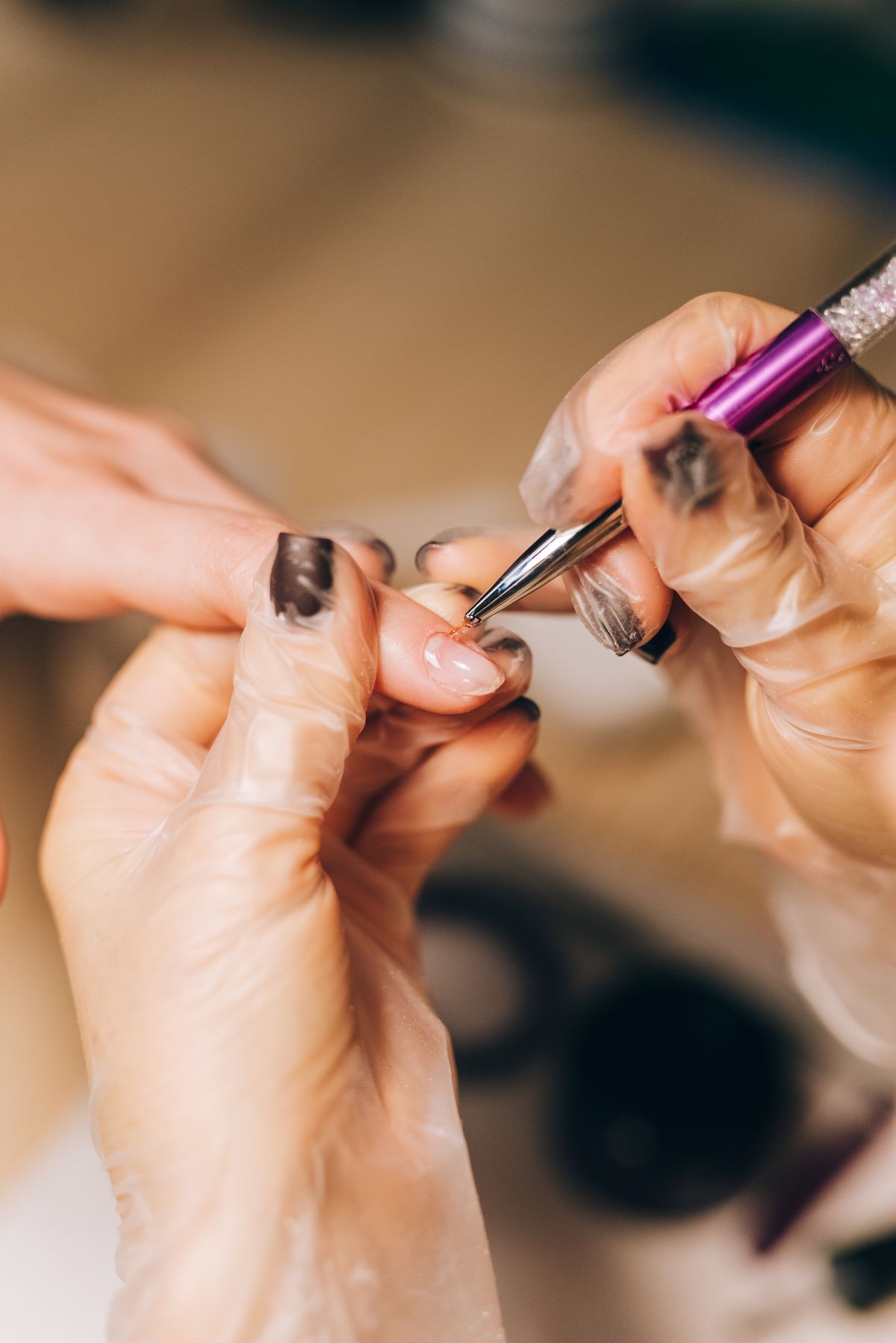
Photo: Pexels · License. Illustrative stock photography; pictured people, products and settings are not claimed to demonstrate this exact guide or endorse this publication.
Map every event and task
Include work requirements, travel and hands-on activities between celebrations. The quiet days may decide the manicure more than the formal occasions. Compare one versatile supported manicure plan with several rushed changes between events.
Choose a common visual role
A muted solid can support several outfits. Compare all outfits together rather than selecting a separate accent for each event immediately. Put all outfits, events and intervening tasks on one planning sheet.
Check the supported wear window
Use product directions and your own realistic experience without promising a fixed duration. Leave room to remove a set if it no longer suits its condition or tasks. Use a visible checkpoint: the schedule includes ordinary tasks, product directions and separate removal windows
Keep removal windows visible
Do not schedule a second application at the exact moment the first is supposed to come off. Allow an unhurried supported process. Priority: the full calendar rather than one event.
Use a two-event example
A Thursday dinner and Saturday wedding may share a quiet fitted design, while a Friday role restriction could make press-ons unsuitable for that sequence. Consider this specific example: a dinner and wedding share a muted design, but an intervening task restriction makes a different manicure schedule necessary.
Avoid automatic reattachment
A lifted tip or damaged-looking surface should be assessed, not hidden to preserve the calendar. Let the condition change the plan. If the next application depends on rushed forced removal, first check the conflict between removal time and the next required task. Then simplify the design plan or choose a different supported system.
Compare simpler alternatives
A bare nail or ordinary manicure can be a deliberate solution when repeated changes become inconvenient. Every occasion does not require extensions. The practical tradeoff is one versatile design offers less variation but fewer changes.
Save the useful schedule
Record application, removal and task conflicts. This helps choose a simpler plan for the next cluster of events rather than repeating a rushed sequence. Before finishing, leave room for the actual condition of the manicure to change the plan Record the one detail that would be useful next time: the application and removal windows that were workable.
Use a calendar that includes the days between events
Put every event and ordinary task on one line of dates. Mark clothing preparation, travel, any workplace restriction and the preferred removal time. Then place the supported application and removal processes around those tasks rather than writing manicure lasts all week across the calendar. A neutral design can reduce color changes, but it cannot override a task restriction or guarantee the condition of the set. Keep an alternative appearance, such as bare nails or ordinary polish, in the plan when repeated changes would otherwise become rushed.
For a dinner followed two days later by a wedding, compare whether the same fitted color works with both outfits. If it does, the design question is simpler; the remaining issue is whether the system and actual condition remain appropriate. If a tip lifts, let that evidence change the schedule instead of trying to preserve the original plan with unexplained extra adhesive. Do not place a new application immediately after a removal window that has no room for delay. At the end, note which timing was manageable and which task created the conflict. This creates a reusable event-planning lesson rather than an unsupported expectation that every future set should remain unchanged for the same number of days.
Your working checklist
Checkmarks stay in this browser when storage is available. They do not submit information or complete a purchase.
Put it into practice
- List all events and intervening tasks.
- Check applicable role requirements.
- Compare one versatile design with the full outfit group.
- Read the system wear and removal directions.
- Schedule removal separately from the next application.
- Revise the plan if condition or tasks change.
Before you finish
- Intervening tasks are included.
- Removal has its own time window.
- No fixed wear guarantee is assumed.
- The plan can be simplified if needed.
Common questions
Can one set cover every event in a week?
Possibly, but do not promise it. Fit, use, product directions and the condition of the manicure decide whether that remains appropriate.
Should I change color for every outfit?
Not necessarily. One quiet fitted design can support several looks and avoid repeated removal just for color coordination.
What if the nails lift before the final event?
Use the product-specific troubleshooting and removal guidance. The calendar is not a reason to seal an unexplained lifting edge.
Is a simpler manicure a poor compromise?
No. Ordinary polish or bare nails can suit a busy schedule deliberately. Choose practicality as part of the design decision.