Short Press-On Nails for Typing: A Practical Length and Shape Check
A short label on a box does not tell you how an extension will meet your keyboard, phone or bag clasp. Compare the actual free edge, fingertip contact and corner shape instead. The aim is a manicure that fits your tasks without requiring you to relearn basic hand movements for a decorative choice.
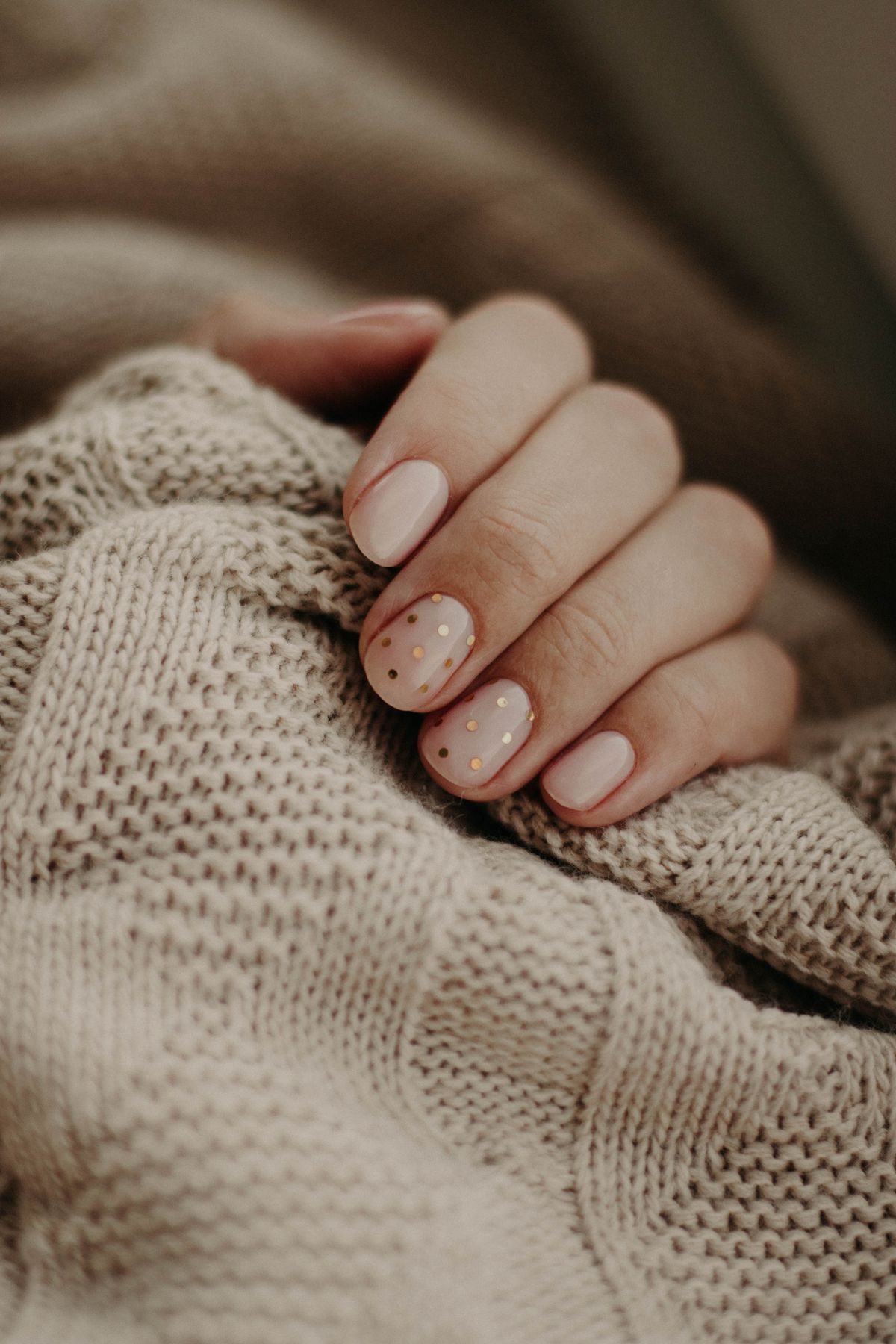
Photo: Pexels · License. Illustrative stock photography; pictured people, products and settings are not claimed to demonstrate this exact guide or endorse this publication.
List the tasks that decide the length
Include a laptop keyboard, phone unlocking, contact-lens handling if relevant and fastening everyday clothing. These actions matter more than the manicure photographed against an empty background. Compare a compact free edge with manageable corners with an extension that contacts keys first.
Compare actual projection
Dry-fit the tip and inspect how far it extends beyond your fingertip. Two products called short can project differently because their nail-bed sections have different lengths. Keep a keyboard, phone and one familiar fastening nearby for a task-based comparison.
Check corners separately from length
A square corner may catch where a rounded edge does not. Do not assume almond is automatically more practical: the point and total extension still matter. Use a visible checkpoint: ordinary typing and fastenings work without changing your hand position to protect the manicure
Rehearse on your own keyboard
Before application, compare candidate lengths visually beside your keys. After a supported trial manicure, use a normal paragraph and your ordinary typing position to evaluate contact. Priority: normal comfortable hand movement.
Use a workday example
A remote worker may need to type, handle a headset and open a laptop case repeatedly. A compact rounded design can be a better starting comparison than an elongated decorative tip. Consider this specific example: an extra-short rounded tip allows your usual laptop contact, while a similarly labeled square tip catches at the corner; choose by that difference.
Troubleshoot unexpected tapping
If the tip strikes the key before the finger pad, assess a shorter product rather than increasing hand tension. Never file through a decorated press-on unless its maker permits adjustment. If a corner repeatedly catches a key or fabric, first check the corner shape and actual extension rather than the printed length category. Then compare a shorter or more rounded product instead of treating discomfort as a practice problem.
Match appearance to the practical edge
A micro-French line or small accent can provide detail on a shorter surface. Choose artwork that remains legible at that length rather than copying a long-nail layout unchanged. The practical tradeoff is a smaller canvas offers less space for elaborate artwork but can suit repeated tasks.
Record a task-based preference
Write which keyboard and activities you checked and where the edge felt awkward. This is a more useful future shopping note than short nails were fine. Before finishing, check the whole manicure against an ordinary work routine Record the one detail that would be useful next time: the successful free-edge length and corner shape.
Run a realistic desk-task comparison
Use a short ordinary sequence rather than one dramatic typing test. Type a familiar paragraph, use the trackpad or mouse, unlock your phone and open the bag you carry daily. Notice whether a particular corner contacts an object first. Separate sound from interference: an audible tap is not necessarily a practical problem, while missing keys or changing your wrist position may be. Try a normal writing grip as well, since keyboard comfort does not establish pen comfort. Stop any task that would require you to force or lever the manicure.
Write observations by finger. The thumb may meet a phone differently from the index finger on a laptop, and one corner may matter more than the rest of the outline. Compare a shorter product before trying to compensate with an awkward hand position. If two shapes work equally well, choose the artwork or appearance you prefer. Keep the working comparison tied to your actual equipment; low-profile laptop keys and another keyboard can feel different. When shopping again, record both the product length name and the visible projection beyond the fingertip. A product advertised as extra short may still sit differently on another nail-bed length, so the previous label is a reference to recheck, not a permanent measurement for every brand.
Your working checklist
Checkmarks stay in this browser when storage is available. They do not submit information or complete a purchase.
Put it into practice
- List five repeated hand tasks before selecting a set.
- Compare at least two real lengths rather than relying on short or medium labels.
- Check side corners and the distance beyond the fingertip.
- Trial the selected system on a day without an important deadline.
- Type a familiar paragraph and test ordinary fastenings without forcing the hand.
- Keep the length or switch products based on those actual tasks.
Before you finish
- The actual extension was compared.
- Typing does not require an awkward hand position.
- Corners do not repeatedly catch.
- Any applicable work requirements have been checked.
Common questions
Can I type with longer nails after practice?
Some people can, but there is no obligation to adapt your work to a manicure. Start with a length that allows your normal comfortable movement, especially when productivity matters.
Is round always better than square?
No. Compare the actual corners and projection on your hands. A short softened square may work better for you than a longer rounded tip.
Can I trim every press-on with nail clippers?
Check the manufacturer instructions. Some finishes or constructions may crack or lose their design when clipped; selecting the intended length is often simpler.
What if my workplace prohibits artificial nails?
Follow the relevant workplace or task requirements. A short decorative set still counts as an artificial nail where that policy applies.