Understated Office Manicure Ideas for Short Press-On Nails
An understated manicure is a practical design choice, not one mandatory shade. Your workplace requirements, repeated hand tasks and preferred color contrast matter more than a universal office-nail formula. Compare the whole combination during an ordinary day.
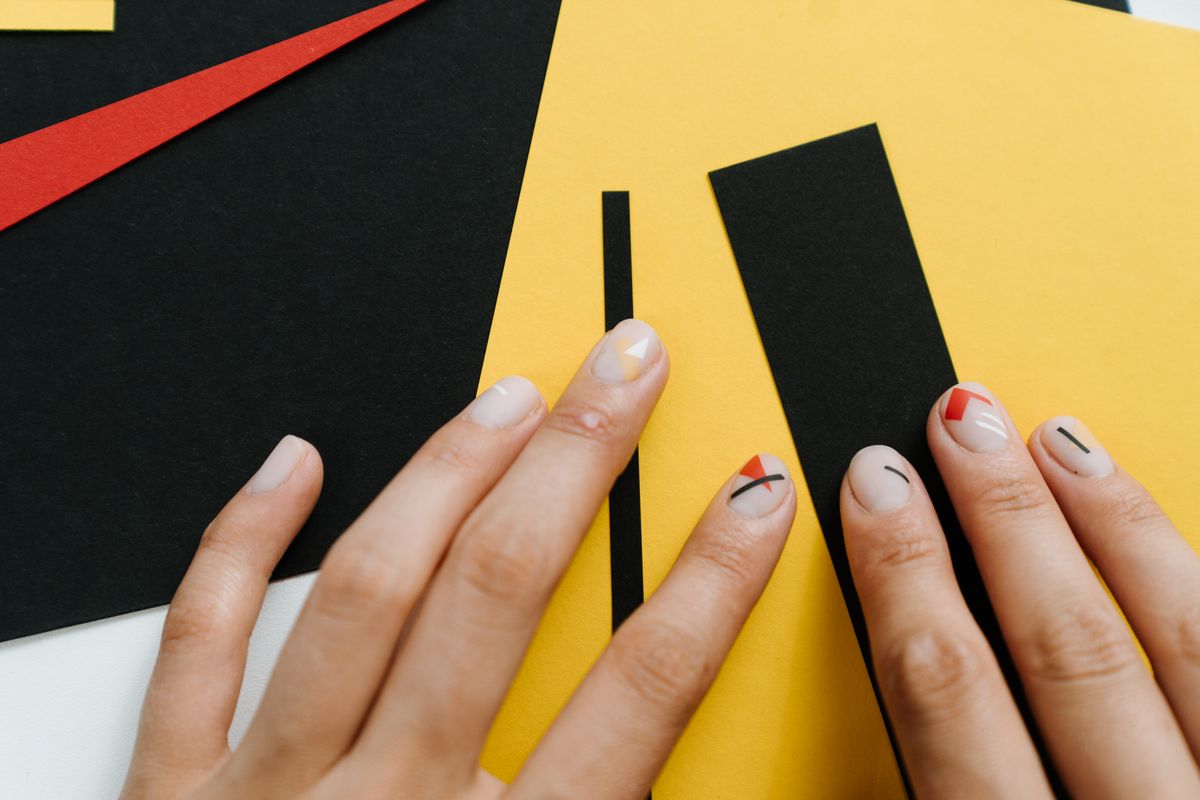
Photo: Pexels · License. Illustrative stock photography; pictured people, products and settings are not claimed to demonstrate this exact guide or endorse this publication.
Check actual requirements
Some roles restrict artificial nails. A neutral color does not override a policy that applies to the nail itself. Compare a muted compact solid with a high-contrast decorated extension.
Choose the working edge
Assess keyboard use, paperwork and equipment controls. Corner shape matters as well as the extension beyond the fingertip. Use a typical work outfit, keyboard and writing tools for the comparison.
Build a small muted palette
Compare warm beige, muted rose and a deeper neutral against normal work clothes. Understated does not mean the same pale shade on everyone. Use a visible checkpoint: normal desk tasks work comfortably and workplace requirements are satisfied
Control design contrast
A narrow French line or one accent can add detail. Inspect the result at conversational distance rather than only in magnified photographs. Priority: the relevant workplace requirements.
Try an ordinary outfit example
For black, navy and cream clothing, a muted brown or rose can coordinate with several outfits without exact color matching. Consider this specific example: a short taupe oval works with several familiar outfits, whereas a longer metallic square catches the edge of a laptop key.
Simplify competing accents
If metallic nails compete with rings and a patterned blouse, remove one accent from the comparison. The issue may be shine rather than color. If rings, fabric and nail decoration compete, first check whether the issue is physical length, contrast or decoration. Then reduce one contrast or compare a plain finish.
Check repeated tasks
A design that catches folders or makes a phone awkward may be the wrong shape despite its restrained appearance. The practical tradeoff is a versatile solid offers less novelty but suits more clothing combinations.
Save the actual range
Record fitted sizes, shape and a daylight picture. Keep practicality separate from unsupported expectations about guaranteed wear time. Before finishing, check writing and typing with the chosen length Record the one detail that would be useful next time: the usable free edge and preferred muted shade.
A three-outfit office color check
Choose three outfits you already wear regularly: one plain, one patterned and one with the jewelry or watch you use most. Place the same candidate manicure beside all three rather than selecting a different shade for each. Notice whether you prefer close blending or a visible but quiet contrast. A deeper muted shade can be more versatile for one wardrobe than a pale beige. Keep the decision separate from assumptions about what every professional person should wear. Your actual workplace requirements still come first, including any rule covering artificial nails regardless of decoration.
For the practical comparison, perform a normal short desk routine with the actual keyboard, pen and phone. Check whether the free edge or corners interfere with controls or paper handling. If only one finger feels awkward, record it separately rather than rejecting every shape in the range. Compare a shorter or softer-edged option before changing how you hold your hands. Once a color and shape work, save the exact range, both hand size sequences and one ordinary-light photograph beside a familiar sleeve. That record lets you repeat a useful choice without treating a marketing name such as office nude as a universal color or size standard. Check the dominant hand separately when writing, because the same shape can feel different in a pen grip than on the hand resting beside a keyboard. A successful color choice does not settle that physical question. Record the actual task and finger rather than describing the whole manicure as either practical or impractical.
Your working checklist
Checkmarks stay in this browser when storage is available. They do not submit information or complete a purchase.
Put it into practice
- Read workplace requirements.
- Identify repeated hand tasks.
- Compare muted shades with familiar clothes.
- Inspect the design at normal viewing distance.
- Trial the length during an ordinary day.
- Record the successful shade and shape.
Before you finish
- Work requirements are satisfied.
- Routine materials do not catch.
- The shade was viewed in daylight.
- The length allows comfortable tasks.
Common questions
Does office-friendly mean nude?
No. A muted darker shade or a small graphic detail may feel equally restrained. The actual workplace and your preference decide the choice.
Can press-ons suit every job?
No. Follow any role-specific restriction on artificial nails. Short length and neutral color do not change what the product is.
How do I avoid a chalky-looking beige?
Compare the actual shade against your hands in daylight. Choose your preferred contrast instead of assuming one pale color is the professional option.
What if typing feels awkward?
Compare a shorter extension or softer corner. You do not need to adapt an uncomfortable working position to protect a decorative choice.